
ou’ve flirted with the idea for years and years: Botox injections. You’ve scanned your reflection in the mirror and psyched yourself up to schedule just one appointment to see how it works. But before you dive into Botox, you’ll want to do your research to ensure you understand how it works and how to maintain it. Botox is FDA-approved and considered safe when administered by licensed professionals.
In this comprehensive guide, Rodgers Dermatology will explore the science behind Botox, discuss the benefits it can offer, and provide you with the essential information you need to determine if it’s the right choice for you. Botox is used for both cosmetic and medical purposes, making it a versatile treatment option.
Whether you’re seeking to address dynamic wrinkles, enhance your natural features, or simply maintain a more youthful appearance, Botox can be a game-changing addition to your skincare routine. Botox is a versatile, FDA-approved treatment for a range of cosmetic and medical purposes.
Understanding the Science Behind Botox & Neuromodulators
Botox is a widely popular cosmetic treatment offering a non-surgical solution to reduce the appearance of fine lines and wrinkles. As one of the most recognized and trusted neuromodulators, Botox has been transforming the way people approach facial rejuvenation.
Botox is a purified form of the botulinum toxin, a neurotoxin produced by the bacterium Clostridium botulinum. This is the same toxin that causes a type of food poisoning called botulism, but in Botox treatments, it is highly purified and safe when administered under medical supervision. When strategically injected into specific muscles as a targeted treatment, Botox temporarily blocks the nerve signals that cause muscle contractions, effectively preventing the formation of dynamic wrinkles. This process is known as neuromodulation, and it’s the underlying mechanism that allows Botox to achieve its remarkable results. Botox treatments can temporarily paralyze overused muscles, helping to prevent new wrinkles from forming.
Botox is used to treat both cosmetic concerns and a variety of medical conditions, such as neck spasms, overactive bladder, excessive sweating, lazy eye, and eye twitching. It can also relieve muscle spasms related to conditions like cervical dystonia and eye twitching.
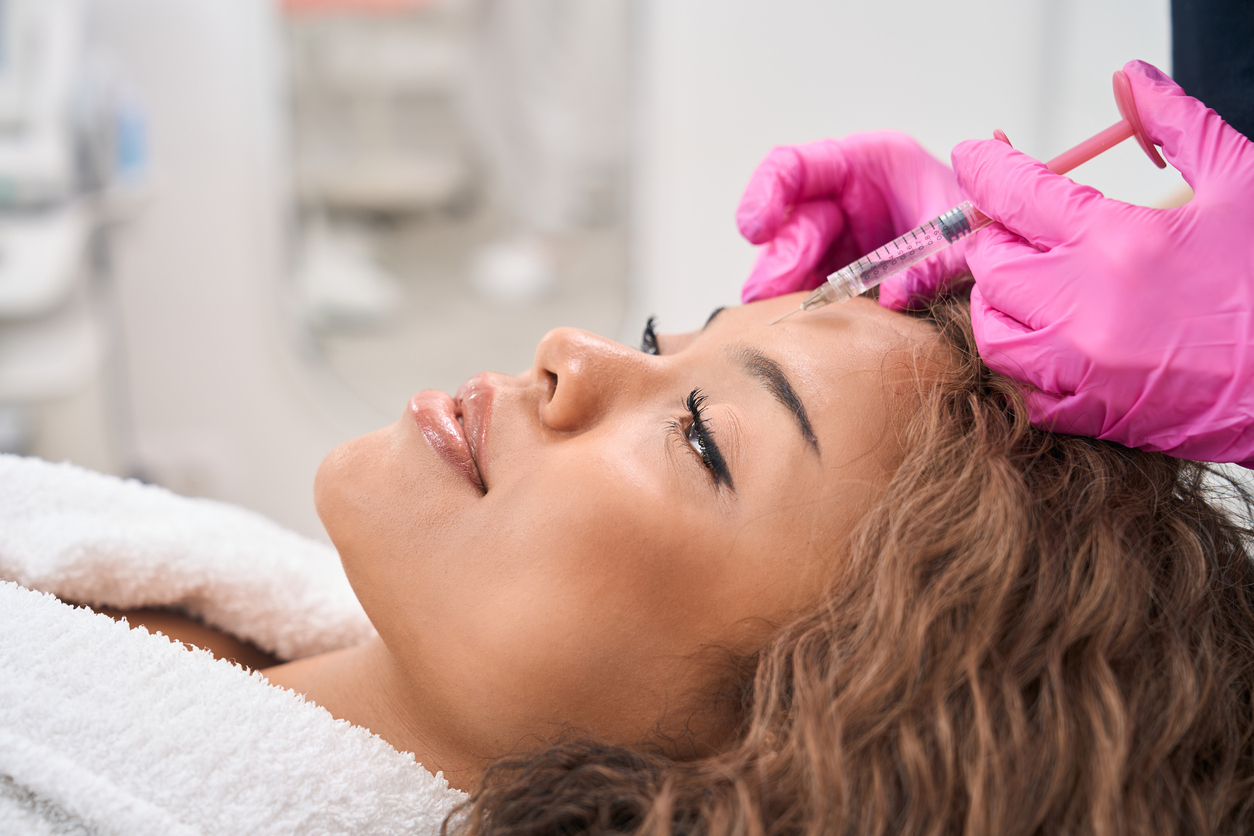
By targeting the muscles responsible for expression lines, such as frown lines, crow’s feet, and forehead wrinkles, Botox creates a smoother, more youthful appearance without compromising your natural facial expressions. During the injection process, a very fine needle is used, and patients typically experience only a slight pinch or minimal pain, which can be further reduced with topical anesthetics or ice.
Determining if Botox is Right for You
Botox can be an excellent choice for individuals seeking to address the visible signs of aging, including:
- Dynamic wrinkles: Botox is particularly effective in treating dynamic wrinkles, which are lines that appear due to repeated facial expressions, such as frowning, squinting, or raising the eyebrows.
- Facial asymmetry: Botox can balance and harmonize facial features, helping correct issues like uneven brows or lopsided smiles.
- Excessive sweating: Botox can also treat excessive sweating (hyperhidrosis) in areas like the underarms, palms, and soles of the feet.
- Chronic migraines: Botox is FDA approved to treat chronic migraines and can reduce the frequency of headaches in adults who experience 15 or more headache days per month.
- Urinary incontinence: Botox is used to treat medical conditions such as urinary incontinence by relaxing the bladder muscles.
Botox is used to treat both cosmetic and medical conditions. Most health insurers cover Botox treatments for medical conditions such as chronic migraines and urinary incontinence, but insurers typically do not cover Botox injections for cosmetic purposes. Insurance coverage depends on your specific plan and the condition being treated.
You should not get Botox if you are pregnant, breastfeeding, or have certain neurological or neuromuscular disorders. Most healthcare providers recommend waiting until after you’ve given birth or finished breastfeeding to undergo Botox treatment. Experts aren’t sure whether or not Botox ends up in breast milk, so most providers advise against getting Botox injections while breastfeeding.
Before deciding to undergo Botox treatment, consult a qualified medical professional, such as a board-certified dermatologist. They will assess your needs, discuss your goals, and determine if Botox is a good option.
Contraindications and Precautions Before Starting Botox
Before you get started with Botox injections, it’s crucial to have an open conversation with your health care provider about your medical history and any current health conditions. Because Botox blocks nerve signals to targeted facial muscles, ensuring Botox is safe for you requires a careful review of your unique situation.
Certain medical conditions can increase the risk of adverse effects from botulinum toxin injections. If you have a history of neurological disorders such as dystonia, cervical dystonia, or other issues affecting the nervous system, be sure to discuss these with your provider. Similarly, individuals with temporomandibular joint disorder, overactive bladder, or those who have experienced allergic reactions to botulinum toxin in the past should proceed with caution.
It’s also important to inform your health care provider if you are taking blood thinners or medications that could increase your risk of bruising at the injection site. Pregnant or breastfeeding women are generally advised to avoid Botox cosmetic treatments, as the effects of botulinum toxin on infants and unborn babies are not fully understood.
While Botox is considered safe for most patients when administered by experienced professionals, rare adverse events can occur. These may include facial asymmetry, muscle weakness, vision problems, flu-like symptoms, muscle tension, or a stinging sensation at the injection site. Most of these effects are temporary and resolve within a few days, but choosing a qualified provider significantly reduces your risk.
To prepare for your treatment, your provider may recommend avoiding blood thinners and strenuous physical exertion before your appointment. Following all pre- and post-treatment instructions is essential for optimal Botox results and a refreshed appearance.
By sharing your complete medical history and following your provider’s guidance, you can enjoy the benefits of Botox injections—such as smoother facial wrinkles and a more youthful look—while minimizing the risk of adverse effects. Always prioritize your safety by selecting a health care provider with expertise in facial anatomy and cosmetic procedures.
What to Expect During Your First Botox Injections Session
Your first Botox session starts with a comprehensive consultation. During this visit, your healthcare provider will evaluate your skin, discuss your concerns, and develop a customized treatment plan. They will also explain the procedure in detail, address any questions or concerns you may have, and obtain your informed consent. Botox injections should always be performed by a highly trained specialist, such as a plastic surgeon or physician assistant, to ensure safety and optimal results.
During the treatment itself, your provider may use vibration anesthesia, a topical numbing cream, or ice to minimize discomfort before the injections. Using a fine needle, your provider will inject Botox into the treatment area, carefully targeting specific treated areas to achieve the desired effect. The process is generally quick, and the entire appointment usually takes about five to ten minutes in a medical office.
After your Botox procedure, aftercare is minimal. Patients should avoid lying down or rubbing the treated areas for three to four hours after treatment, and avoid physical exertion for 24 hours. Most people can return to normal activities immediately after treatment.
Long-Term Effects & Maintenance of Botox Treatments for Facial Wrinkles
The effects of Botox are temporary, typically lasting 3-4 months before the treated muscles gradually regain their ability to contract. To maintain the desired results, most individuals opt for regular Botox treatments, usually every 3-6 months, depending on their response and the specific areas being treated.
Over time, many Botox patients find that the duration of the results may increase as the targeted muscles become weaker and less prone to contracting. Additionally, some people report that the need for Botox treatments may decrease as they become accustomed to making fewer facial expressions that contribute to the formation of dynamic wrinkles.
Finding a Qualified Health Care Provider for Your First Botox Session
For optimal results and to minimize the risk of complications, it’s essential to find the right professional to perform your botox procedure. Botox injections should always be performed by a highly trained specialist, such as a plastic surgeon or physician assistant, who has expertise in facial anatomy. Improper administration of Botox injections can cause unwanted results or even harm, so choosing a qualified provider is crucial. At Rodgers Dermatology in Frisco, TX, our board-certified dermatologists and licensed medical professionals are dedicated to providing personalized, high-quality care.
During your initial consultation, our experts will thoroughly assess your skin, discuss your goals, and develop a customized treatment plan that addresses your unique concerns. We take the time to educate our patients on the science behind Botox, the treatment process, and what to expect during and after the procedure.
Our commitment to patient safety and satisfaction is at the forefront of everything we do. Combining our extensive medical expertise with a compassionate, patient-centered approach, we strive to help you achieve the natural, rejuvenated look you desire.
Schedule Your First Botox Appointment With Rodgers Dermatology in Frisco, TX
Ready to rejuvenate your appearance and boost your confidence? Schedule your first Botox appointment with Rodgers Dermatology today! Our board-certified dermatologist, Dr. Timothy Rodgers, and his experienced team provide personalized care and outstanding results.
Whether you want to smooth fine lines or enhance your natural beauty, we’re here to help you achieve your goals. Don’t wait any longer—schedule your appointment today!