
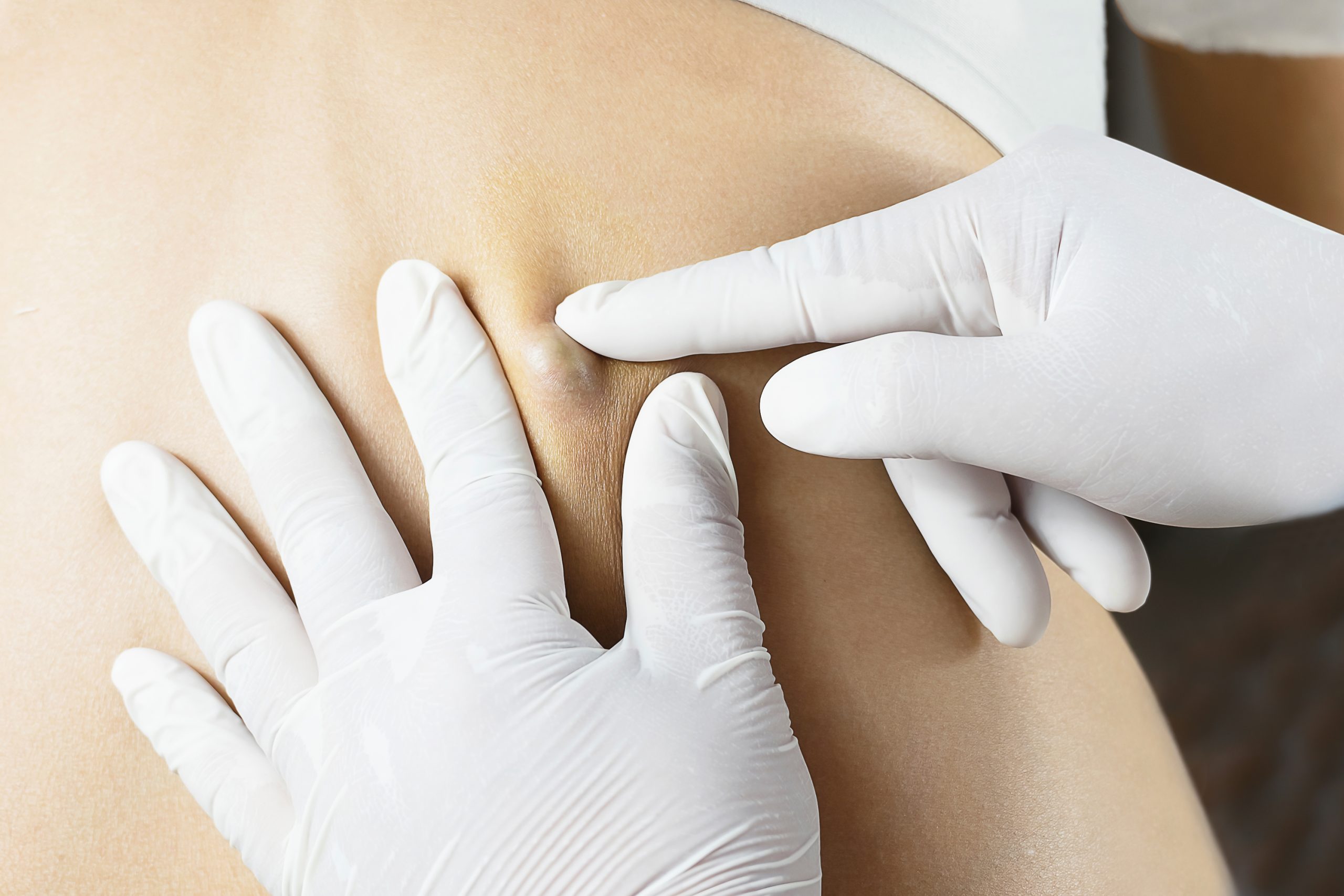
Noticed a lump on your skin and wondering if it’s something to worry about? You’re not alone. Skin cysts are very common, often harmless, and sometimes go away on their own. Skin cysts are round lumps, often filled with fluid or pus. A cyst is a sac-like pocket of tissue that can contain fluid, air, or other substances. However, others might need the attention of a trusted dermatologist.
Today, we’ll discuss what causes cysts and how to know when you need to seek professional help for treatment. Most cysts are benign cysts, meaning they are noncancerous growths that develop in various parts of the body and usually do not cause long-term difficulties.
Know Your Skin: What Is a Skin Cyst?
A skin cyst is a closed sac under the skin filled with fluid, pus, or other material. These bumps can show up anywhere on the body and vary in size. Most cysts don’t hurt, but if they get infected or inflamed, they can become uncomfortable. Some cysts, like epidermoid cysts, develop in the top layer of the skin (epidermis).
While the word “cyst” might sound serious, most of them aren’t dangerous. Cysts can form due to blocked glands, minor skin injuries, or even genetics. Cysts can also form for any number of reasons, including infection, skin trauma, and hormonal imbalances. The exact cause of a cyst depends on the type of cyst. They’re more common in adults, but kids and teens can get them too.
Causes of Cysts
Cysts can develop for a variety of reasons, and understanding what causes them can help you take steps to prevent or manage them. One of the most common reasons a cyst forms is due to skin trauma or irritation, which can cause a hair follicle or duct to become blocked. When this happens, skin cells or an oily substance produced by sebaceous glands can get trapped beneath the surface, leading to a fluid-filled lump known as an epidermoid cyst or sebaceous cyst.
Hormonal changes also play a role, especially in the case of ovarian cysts or pilonidal cysts, which often appear after puberty due to increased hair growth, friction, or changes in hormone levels. Ganglion cysts, on the other hand, typically form near joints or tendons after an injury or repetitive stress, causing fluid to accumulate in a closed sac.
Infections and blocked ducts are other common culprits. For example, cystic acne develops when pores become clogged with oil, bacteria, and dead skin cells, resulting in painful, inflamed bumps. In rare cases, cysts can become infected, leading to pus, swelling, and even abscess formation. If left untreated, these complications can escalate to more serious issues like blood poisoning.
While most cysts are benign and don’t require urgent medical treatment, it’s important to monitor for any skin changes, new lumps, or symptoms such as pain, redness, or pus. Cancerous cysts are rare, but they can occur, so prompt medical attention is crucial if you notice anything unusual. Breast cysts, for example, are usually benign but should always be checked by a healthcare professional to rule out serious complications.
To help prevent cysts, practice good skin hygiene and try to avoid unnecessary skin trauma. If you do develop a cyst, applying a warm compress can sometimes help it drain and heal more quickly. However, never try to squeeze or pop a cyst yourself, as this can lead to infection and scarring. If you experience symptoms like swelling, pain, or signs of infection, seek medical treatment right away. Regular skin checks can also help you catch any changes early, allowing for timely treatment options such as surgical removal or drainage if needed.
Types of Cysts and Their Symptoms
There are different types of cyst symptoms, and knowing what type you have can help you decide what to do next. Skin cysts often appear as a round bump under the skin.
- Epidermoid Cysts: The most common type, usually found on the face, neck, or back. Epidermoid cysts occur when hair follicles are blocked, leading to a buildup of keratin beneath the skin surface. They are small, benign bumps filled with keratin and form when skin cells get trapped under the surface.
- Sebaceous Cysts: Often confused with epidermoid cysts, these develop when sebaceous glands (which produce skin oil) get blocked. They are filled with sebum and are less common than epidermoid cysts. They usually contain an oily, yellowish substance.
- Pilar Cysts: Usually found on the scalp, these cysts are filled with keratin, and they tend to run in families. A pilar cyst is a noncancerous, skin-colored, round bump that develops under the surface of your skin.
- Ganglion Cysts: A ganglion cyst is a round, gel-filled lump of tissue that usually appears along tendons or joints, especially in the wrists, hands, ankles, and feet. These contain a thick, jelly-like fluid and are generally painless unless they compress nearby structures.
- Breast Cysts: Benign, fluid-filled lumps in the breast that can cause discomfort. It is important to have them evaluated by a healthcare professional to distinguish them from more serious conditions.
- Ovarian Cysts: These often form when the follicle that normally releases an egg doesn’t open. Ovarian cysts are common, but postmenopausal ovarian cysts are linked to an increased risk of cancer.
- Baker Cysts: Swollen, fluid-filled sacs at the back of the knee that can cause pain and limited mobility.
- Branchial Cleft Cysts: Developmental irregularities where a lump develops on one or both sides of the neck or below the collarbone.
- Perineural Cysts: Fluid-filled sacs that form on the spine.
Most of the time, these cysts are just cosmetic concerns, but sometimes they can become irritated or infected.
Benign vs. Harmful Cysts: When Should You See a Dermatologist?
Not sure if you need to see a specialist? Most cysts are benign cysts, meaning they are noncancerous and usually do not need treatment if they are not causing any problems. However, certain types of cysts, such as ovarian cysts, may be associated with an increased risk of cancer, especially in postmenopausal women. Here are some situations where you should consider seeing a specialist:
- The cyst is painful or infected.
- It keeps getting bigger.
- It’s in a sensitive area, like your face or genitals.
- It’s affecting your confidence or daily life.
- Some cysts may need treatment depending on their appearance, location, or potential for complications.
A dermatologist can diagnose the cyst and suggest the best treatment, whether that’s leaving it alone, draining it, or removing it completely.
Do Cysts Go Away on Their Own?
Some cysts shrink over time, but many stick around. If a cyst isn’t bothering you, you can probably leave it alone. But if it’s inflamed, growing, or uncomfortable, removal may be the best option.
Treatment Options for Skin Cysts
If a cyst becomes painful or infected, there are several ways to treat it:
- Draining It—A specialist can make a small incision and drain the cyst’s contents. This provides relief but doesn’t always prevent it from coming back.
- Surgical Removal—If a cyst keeps returning or is causing discomfort, the best way to prevent it from recurring is to have it surgically removed by a healthcare professional. Cyst removal involves removing the entire cyst wall to prevent recurrence, as leaving any part of the cyst wall behind can cause the cyst to reform.
- Antibiotics—If a cyst gets infected, antibiotics can help clear up the infection, but they won’t remove the cyst itself.
Medicinal injections may also be used to reduce swelling and tenderness in cysts before exploring other treatment options.
What to Expect If You Need a Cyst Removed
If your healthcare provider recommends removal, the procedure is usually quick and easy. Here’s what typically happens:
- The specialist will numb the area with a local anesthetic.
- They make a small incision and remove the cyst. The specialist will carefully remove the entire cyst wall to prevent the cyst from reforming.
- They close the wound with stitches if needed.
- You’ll receive aftercare instructions to prevent infection and promote healing.
Recovery is usually simple, with minor discomfort for a few days.
Frequently Asked Questions About Skin Cysts
Are skin cysts contagious?
No, skin cysts are not contagious. They are caused by internal factors such as blocked glands, genetics, or injury, not by bacteria or viruses that can spread from person to person.
Can I pop a skin cyst at home?
It’s best not to pop a cyst yourself. Doing so can lead to infection, scarring, or cause the cyst to return. Always consult with a dermatologist before attempting any treatment.
How can I tell if a cyst is infected?
Signs of infection include redness, warmth, swelling, tenderness, and pus drainage. If you notice these symptoms, contact a dermatologist promptly for evaluation and treatment.
Do cysts always need to be removed?
Not always. If the cyst is small, not painful, and not growing, it can usually be left alone. However, if it’s bothering you or getting worse, we recommend seeking treatment.
Will my cyst come back after treatment?
If the entire cyst sac isn’t removed, there’s a chance it could return. Surgical removal offers the best chance of preventing recurrence.
Finding Expert Dermatology Care for Cysts in Frisco, TX
If you’re in the Frisco, TX area and dealing with an annoying skin cyst, Rodgers Dermatology can help. We provide diagnosis, treatment, and removal of all kinds of cysts our patients encounter.
When you’re unsure about a cyst or ready to have it checked, schedule an appointment with Rodgers Dermatology in Prosper & Frisco, TX. A quick consultation can give you peace of mind and help you decide how to proceed.
Professional Care for Cysts in Prosper & Frisco, TX– Book an Appointment with Rodgers Dermatology!
If a concerning cyst has appeared, don’t wait and wonder if it’s benign or not—Rodgers Dermatology is here to assist. Our expert team can evaluate your cyst, provide the right treatment options, and restore your confidence.
Schedule your appointment today by calling 972-704-2400 to get rid of that cyst for good!